The Buzz for 6/11

Adriana Sirb, WAMS Accounts Manager, spent a six week sabbatical in Honolulu, Hawaii donating her time to the Meals-On-Wheels organization. Adriana, along with her husband and four children, participated by delivering meals three days a week to approximately 25 senior citizens. Since they were often on the same route, they were able to get to know the people they were helping which made the experience even more enjoyable. The time spent in Hawaii was amazing, but even more so was the invaluable lesson of compassion and humanity they all shared. This was an opportunity that Adriana will always be thankful to have been a part of. For more information about the Meals-On-Wheels organization, you can visit them on the web at http://www.mowaa.org.

In other news, Tamara Roberts, WAMS Mediation Director, welcomed a healthy baby girl, Keira Dawn, on February 14, 2011 (5 lbs. 7 oz.). Congratulations!

A Mediator’s Tools

By: Aaron Calhoun | WAMS Staff

If this organization were a fairy tale character, it would be ‘Doraemon’, because it always meets the needs of the people it serves, no matter what that need is. This organization pulls tools out of its pocket that solve any problem, and it works across generations and cultures… just like Doraemon.”

‐ A WAMS admirer

It is not every day that WAMS is compared to a famous Japanese cartoon character, but if one takes the time to read about the exploits of Doraemon, the famed robotic feline from the future, then the comparison does not sound so farfetched.

Doraemon made his first appearance in print in 1969; the stories centered on a fifth grade schoolboy, Nobita Nobi, and the robotic cat’s efforts to help his friend. Nobita would come home from school and confide in Doraemon about a problem he had encountered that day. The latter would offer immediate advice on how to handle the issue without conflict or confrontation.

Likewise, the first tool used by a WAMS mediator is administrative guidance to all sides in advance of mediation, typically with the help of WAMS Case Administrators. Parties are encouraged to mediate only when the case is “ripe”, after direct negotiations have been undertaken. Pre-hearing memos that identify each party’s view of the dispute are encouraged, as is the participation of anyone with settlement authority. In some instances, this initial preparation leads to a better mediation outcome because the parties are more educated and prepared for the process from the start.

In Nobita’s case, advice alone was never enough; he always asked his feline friend for a device that could fix his problem or help him get revenge against an adversary. At Doraemon’s disposal were futuristic wonders he could pull out of his pouch like ‘The Anywhere Door’ (a door that opens up to any location the user wants), ‘The Voodoo Camera’ (a camera that takes a picture of a person and then creates a voodoo doll), and ‘The Dream Reader’ (a television that allows someone to watch what another person is dreaming about). Although Doraemon’s gadgets sometimes caused unexpected problems of their own, by story’s end, Nobita’s problem would be resolved in some fashion and the clear moral would always come to light: It is better to work through your problems than to take the easy way out by avoiding them or fighting back in anger.

For mediators, the gadgets in their pockets are the tools of their trade that have been proven to be successful and, unlike Doraemon’s, rarely lead to more  trouble. Beyond basic attributes like patience, experience, persistence, and objectivity, an effective intermediary must have the intuition to pick up on cues during mediation, both verbal and non-verbal, in order to develop the strategy to be employed in moving the negotiations forward. For instance, mediators sometimes find it necessary to ask the plaintiff’s friend or relative to “take a break” from the mediation to permit the plaintiff’s voice to be heard. Additionally, there must be a bond of trust created between the parties and mediator that will allow everything from random thoughts to deep secrets to be shared. Sometimes in mediation, information is disclosed for the first time that proves pivotal in finding resolution. One such example was the revelation in a recent mediation of the defendant’s potential bankruptcy filing. Because of that prospect, the plaintiffs chose to settle the case for an immediate and guaranteed payment rather than wait for trial and risk being embroiled as creditors in the defendant’s bankruptcy proceeding.

Problem solving skills are imperative due to the solutions mediation allows for that the courts do not (e.g. meeting non-monetary needs). Margo Keller and other WAMS mediators have used Skype successfully to involve unexpectedly absent participants whose visual interaction was an important factor in reaching settlement. It also does not hurt to have a timely sense of humor that can temper the stress and exhaustion that intense negotiations can cause—Don Kelley is well-known for his efforts at levity. It is an effective way to remind the parties involved that mediation is a nicer, more humane process than going to trial.

Doraemon and mediators alike have the ability to quickly figure out what is at the core of an issue and how to resolve it. By listening to parties in need, offering consultation on how to come to a peaceful resolution, and occasionally using outside-the-box methods, all have the tools at their disposal to resolve disputes. Whatever the case might be, it is good to know that help—whether it be in the form of a mediator with extensive experience and negotiating tools or a robotic cat from the future with a gadget-producing pouch—is there when it is needed.


Mediator Focus: William J. Rush

By: Penny Gans | WAMS Staff

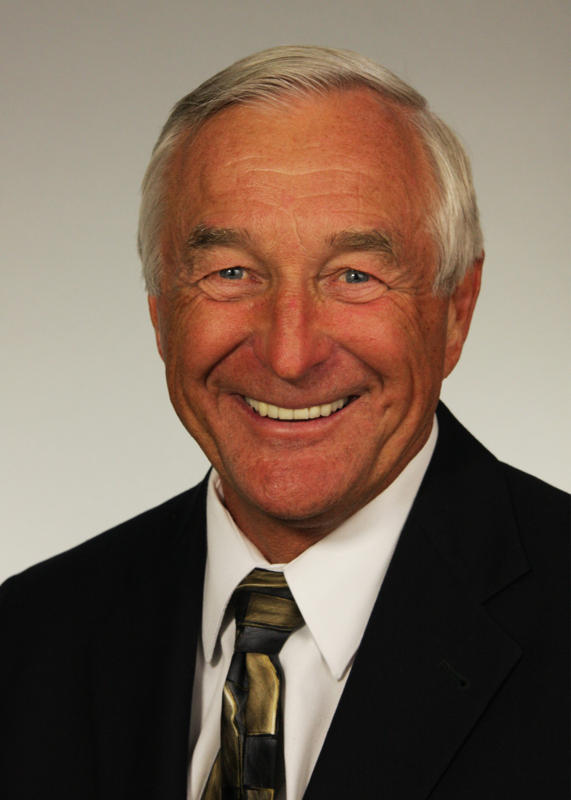
rushBill Rush is a gracious and wise “old school” lawyer with a twinkle in his eye and lifetime of stories to tell. For the last twenty-five years, WAMS clients have benefited from his broad legal experience and mediation skills. Bill’s introduction to mediation came through his participation in the voluntary Federal Court 39.1 alternative dispute resolution program that began on a trial basis in 1968-69. Then in 1986, WAMS founder Michael Gillie invited him to join Harry Goldman and Larry Levy on the WAMS mediator panel, trained by ADR pioneer Alan Alhadeff. Unlike his two mediator trainee colleagues who have been full-time mediators for many years, Bill has continued his private law practice while mediating hundreds of cases at WAMS.

Mentor, teacher, author, occasional Judge Pro Tem and highly respected member of the Washington State Bar, Bill was born in Tacoma and earned his BA from the University of Puget Sound and his JD from the University of Washington law school. His firm, Rush, Hannula, Harkins & Kyler, was founded in 1959 and presently numbers eight attorneys, all graduates of Washington law schools.

In 50 years of practicing law, Bill has represented both plaintiffs and defendants in matters ranging from medical negligence and product liability to construction, business, and family law. He is admitted to practice before the U.S. District Courts in Washington, the Ninth Circuit Court of Appeals and the U.S. Supreme Court. Bill has taken nearly 30 cases to the appellate level, some of which have established legal precedents that are still being cited. His case involving the relationship between emergency room doctors and a local hospital established the Ostensible Agency principal. Another case established rules regarding a general contractor’s overall responsibility for the safety of a worksite. In a third memorable case, Bill won a verdict against the State of Washington when a convict serving a life term in the State penitentiary was included in the warden’s experimental “take a lifer to dinner” rehabilitation program. The convict escaped through the bathroom window of the host’s home, fled to Tacoma, and subsequently shot and killed the owner of a gun shop during a robbery attempt.

As a mediator, Bill feels that his job is to help parties find their own settlement. He believes that the best way to “take the acrimony out of the process” is to separate the parties, although “it’s OK for the parties to be vitriolic with the mediator.” In Bill’s experience, the client is usually well represented by the attorney, who may be aware of facts and issues that are unknown to the mediator. Bill is sensitive to the relationship between attorney and client and is careful to follow the attorney’s wishes as to how he can best work with the client. He encourages attorneys to provide enough case background to enable him to move the negotiations expeditiously toward settlement.

When not working with clients, Bill stays fit playing handball and racquetball and has enjoyed Husky football as a season ticket holder for 50 years. Also an avid traveler, Bill and his wife (a professional photographer) have visited almost every corner of the world. Highlights include a people-to-people trip to China in the early 1980’s to discuss medical malpractice issues with Chinese doctors and court representatives; a behind-the-scenes tour of Oman, Dubai, and Kuwait before 9/11; a 1991 trip to his parents’ Ukrainian birthplace where he met nine first cousins still living there; and journeys to both the North and South Poles. The trip to the North Pole was on a 300-foot Russian icebreaker and included a brief swim in a hole carved out of the ice over 8400-foot deep water while the ship’s armed crew kept a lookout for polar bears. That’s Bill’s idea of fun!

WAMS congratulates Bill on his exceptional career and wishes him many more years of good health and mediation success. Bill, along with Harry and Larry, was honored by WAMS in January for his distinguished career as a WAMS panel member.

Celebrating 30 Years in 2011

It was 1981 when WAMS founder Michael Gillie established Washington Arbitration Services in Ballard as a business entity offering private arbitration in the greater Seattle area.

Since then, Washington Arbitration & Mediation Service has grown to become the leading alternative dispute resolution organization in the Pacific Northwest. Through the combined efforts of the WAMS administrative staff and panel members, WAMS has earned a reputation over the past 30 years for excellence in all aspects of ADR.

Visit the WAMS website at http://www.usamwa.com to learn more about the history of WAMS and its evolution since 1981.

The Buzz for 1/11

2011 marks the 30th anniversary for WAMS as well as a significant career milestone for Harry Goldman, Larry Levy and Bill Rush. WAMS honored them for their 25 years of service as WAMS Super Mediators at our Twelfth Night celebration in early January. Historically, Twelfth Night was an annual event in medieval Europe and colonial America that provided a catharsis of social tensions, frustrations and anxieties. Seems like a very appropriate day to honor these mediators who have done the same for 25 years. Congratulations!

Why Mediation Still Matters

By: Harry Goldman | Mediator, Arbitrator

goldmanWhen I joined the WAMS mediator panel in 1986, the concept of mediation in civil litigation was a fairly new idea. It has been my privilege to have participated in the growth of what is now a key component in the litigation process.

Many lawyers were initially hesitant or openly hostile to mediation, as it was perceived by some as usurping the role of counsel. Part of my job was to explain to my colleagues that mediation was actually a useful settlement tool that could be employed by representatives of both plaintiffs and defendants to educate clients about the risks of trial and complexities of litigation. The intervening years have seen a gratifying evolution in attitudes toward mediation, as we now have court-ordered mediation in many jurisdictions. Courts such as the U.S. District Court for the Western District of Washington have implemented specific reporting procedures by the mediator to federal judges. Business contracts commonly require mediation prior to instituting litigation. Mediation and other forms of alternative dispute resolution are frequently taught in law schools. ADR seminars are regularly presented throughout the country; for example, the University of Washington conducts an annual ADR conference that draws an international audience.

If mediation is so firmly established in 2011 as part of the framework of litigation, why would I choose to discuss its relevance and importance now? I believe that mediation is beneficial on many different levels, regardless of the outcome. Of course, everyone wants his or her dispute to resolve, but parties often gain valuable information and a perspective that may not have been present beforehand in that small percentage of cases that do not settle. As a possible analogy to the mediation process, consider that computers were also in their comparative infancy in 1986 and have evolved exponentially in succeeding years. Computer users no longer need to know an intricate version of DOS to operate their systems, and few of us use more than a fraction of the computer’s functionality. We are frustrated when the computer doesn’t perform in accordance with our expectations, even if the malfunction is partly due to our failure as users to properly appreciate and contribute to the proper operation of the computer. That being said, few would deny the benefits of computers.

In a similar vein, users of the mediation process have come to assume that the mediator will succeed in achieving a settlement in every case. This is a reasonable goal as the parties are paying a considerable price for the service and coming to the table to settle the case. When the mediator is a trained professional, the participants have a right to expect that he or she will use experience and skill to craft a settlement of the dispute. It is important for all participants to remember, however, that mediation is a collaborative process that requires everyone to exercise his or her best efforts if a resolution is to be achieved. Success is defined not only by the result but also by how it is accomplished.

In order to achieve success, the mediator needs the assistance of everyone involved in the process. First and foremost, each participant, whether it is the client, the attorney, an insurance claim representative, or any other decision-maker, must be willing to commit him or herself to the effort. If someone is present only because the mediation has been court-ordered, the likelihood of success drops. If an individual is convinced even before the mediation starts of the righteousness of his or her position, believes the sole reason for the mediation is simply to move the other side, is not interested in listening to the opposition, or is unwilling to consider the potential risks of going forward to trial, mediation may not be productive. If all parties are not engaged in the discussion, the mediator’s task is much more difficult. Everyone must come prepared to do what is necessary to accomplish the universal goal of resolution and remain committed to that end.

The relevance and importance of mediation can be sustained through this collaborative effort. In this increasing era of congested court dockets and the ever-mounting expense of litigation, we must use our best efforts to achieve the optimal result for the participants. It is easy to forget that not everyone at the mediation understands the process or is familiar with the format. I always start my mediations by explaining to people who are new to the process what my role is and what the general framework of the sessions will be. I want every person in the room to know what is going on and understand what we are doing and why. It matters how the road is traveled to the final destination.

To achieve the ultimate goal of resolving a dispute in mediation, it is critical that everyone from the most sophisticated user of the process to the bewildered first-time participant become engaged in the effort. I want mediation to be relevant, not only in resolving the dispute itself, but in helping parties appreciate the risks of going forward so they will be comfortable with the outcome.

I am confident as I approach my 5,000th mediation and a quarter century of assisting others in resolving disputes that the process is even more relevant today than it was in 1986. Few people today question the importance of mediation as a settlement tool. A voluntary settlement, even if imperfect, is almost always preferable to a result imposed by a third party. Because of the ongoing commitment of everyone involved in the process, I believe mediation will continue to evolve as an effective way to help settle disputes and will still matter for many years to come.

Mediator Focus: Judit Gebhardt

By: Penny Gans | WAMS Staff

GebhardtJudit Gebhardt is a passionate woman whose intense curiosity and readiness to take advantage of opportunities have given her a variety of life experiences that enhance her skills as a professional neutral. Judit has been a WAMS panel member since 1988 and is a recently retired Industrial Appeals Judge. In her thirty-two year judicial career, Judit conducted bench trials and delivered more than 1,600 decisions in work-related personal injury, occupational disease and toxic exposure cases as well as medical standard of care, workmen’s compensation fraud, wage loss, pension, and consumer protection matters. She is an avid student of medical developments and stays current by attending jury trials to hear expert testimony. Judit has a wealth of knowledge about entitlement programs (Medicare, Medicaid, and Social Security), knowing that ten to twenty percent of injury cases have an entitlement element lurking somewhere.

As a judge, Judit’s decisions required careful listening, a critical skill that has served her in good stead as a mediator. She believes that mediation is very personal, especially for the plaintiff, so she actively engages with the parties so they know their situation has been understood. In her words, “Resolution usually occurs when parties are able to consider all opportunities and reach the best decision.” Her experience as a judge has convinced her that mediation is a safer environment than the courtroom for allowing parties to reach a conclusion that will be more satisfying than if a judge or jury make the decision for them. As a mediator, Judit does not direct the parties to a solution, but she provides information and perspective to facilitate settlement. When she feels that a case should have settled, she continues to work with the parties after the mediation is over to bring resolution.

In addition to mediating a wide range of cases, Judit is frequently asked to arbitrate UIM, tort, and commercial disputes or for the State of Washington’s Lemon Law program. She has also taught Evidence, Worker’s Compensation, and Administrative Law in various CLE courses and has served as chair of the Administrative Law section of the Washington State Bar.

Raised in a conservative, German-speaking household in Oregon, Judit’s first passion was classical ballet and her first job was helping her father in the family bakery. She became politically active in high school and found a mentor in independent senator Wayne Morse, whose reelection campaign she managed in Washington County and who encouraged her to consider law school. At Portland State University, Judit studied math and psychology and helped develop a Women’s Studies program. At Willamette University Law School, she developed a Family Law Center and spent three years as a family law litigator while gaining her JD in 1976. She became a Hearing Examiner for the Department of Employment Security before being appointed to the Washington State Board of Industrial Insurance Appeals.

In her personal life, Judit also enjoys exploring how pieces best fit together. She is an avid quilter, creating heirloom quilts for friends and family members based on collaborative designs worked out on a computer. Her other ongoing project is the completion of a 1500-piece Tiffany-style stained glass lamp. Judit’s interest in stained glass resulted in her becoming the owner of a publishing house specializing in instructional materials for stained glass hobbyists. Judit is most passionate about her family, especially her two grandchildren. She has always encouraged them to do as she has always done: to relish their choices and always follow the paths that interest them. Her caring, down-to-earth manner, confidence, and love of the dispute resolution process allow everyone who encounters Judit to know they are in good hands.

The Buzz for 6/10

Riveka Crooms, WAMS Compliance Manager, was recently awarded as one of Pierce County’s Adult Volunteers of the Year for her work in the youth diversion program in Juvenile Court. Congrats!

Bill Rush is taking his wife on a cruise to the Far East via the Suez Canal and Somali coast, hoping to avoid pirates along the way. Bon Voyage!

Kudos to Cliff Freed for providing pro bono mediation services in a church-employment matter. Everyone involved was very appreciative.

Thank you and well done Kathleen Wareham for serving on the 17th Annual NW Dispute Resolution Conference Committee, helping to line up sponsors, speakers and topics to make the conference a continuing success. The conference takes place on the first weekend in May each year at the University of Washington School of Law.